


Second Meter Installation for Irrigation: What You Need to Know

Updated: Jun 6, 2025
When installing a second water meter for irrigation, the process can vary slightly from town to town. Here's a breakdown of the general steps involved, what it costs, and why it might be worth considering.
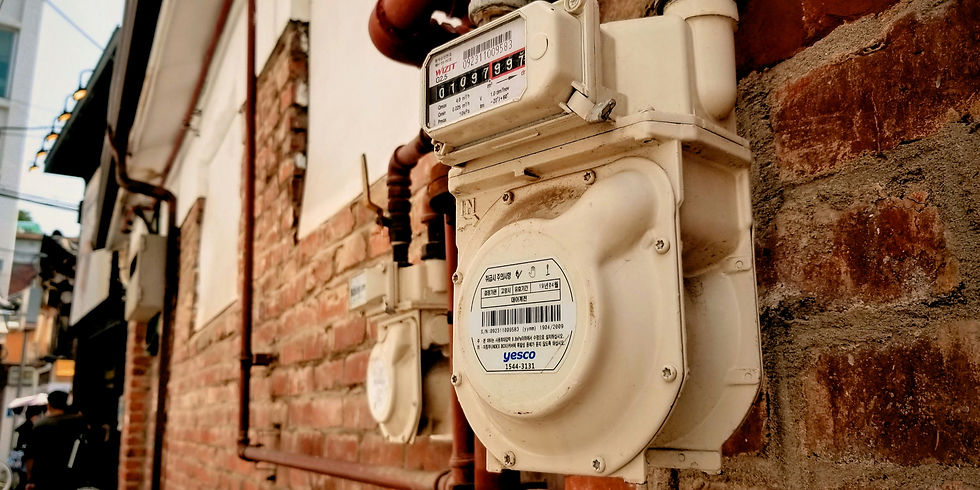
How the Process Works
Apply for the Meter: The homeowner needs to apply for the second meter at their local water department.
Plumber Coordination: The plumber will coordinate with the town and set up the pipes in the basement to accept the new meter.
Town Installation: Once everything is set up, the homeowner or plumber will contact the town to install the meter.
Billing: The town will bill the homeowner directly for the meter, but the exact charge varies by town. (Unfortunately, we don't know how much they charge.)
Plumbing and Backflow Prevention
The proposal for the system includes plumbing work by our licensed sub-contractor to tie the system into the house and install the required backflow prevention device on the outside of the house. If you decide to install a second meter, the same plumber who installs the backflow prevention device can also handle the meter installation.
IMPORTANT NOTE
Preparing for the second meter installation involves permit fees, additional plumbing work, fittings, and parts. This typically adds $500–$800 to the cost of the system, excluding the meter itself.
Why Install a Second Meter?
Some towns allow homeowners to install a second meter specifically for outdoor water use. Water used through this second meter is billed at a lower rate, as the sewer rate is not applied to outdoor water use.


Comments